About AtlasOA: Built by an Instructor, for Instructors
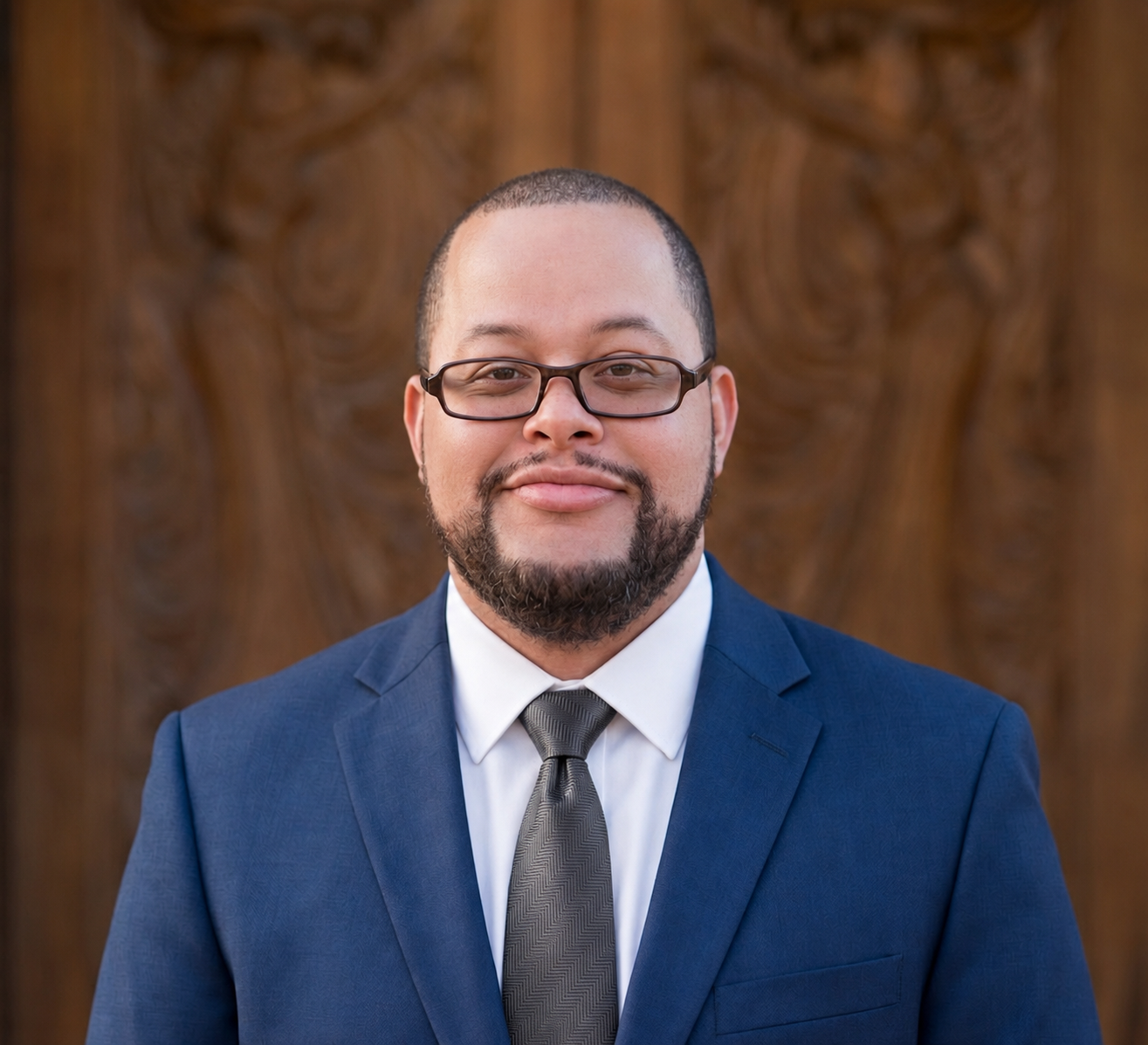
Bio
Ashley Reddick is the founder of AtlasOA and an IT instructor at a technical college in the Midwest, where he teaches Windows Server, Linux, VMware vSphere, Proxmox, Security+, and Microsoft Azure (AZ-900). Ashley built AtlasOA because the outcomes assessment tools available to technical and community colleges were either prohibitively expensive, designed for large four-year universities, or both. AtlasOA is the platform he wished he had: practitioner-built, transparently priced, and focused on the actual workflows accreditation requires.
Teaching, certifications, and experience
- IT Instructor, Information Technology Department, at a technical college in the Midwest
- Courses taught: Windows Server, Linux, VMware vSphere, Proxmox, Security+, Microsoft Azure (AZ-900)
- Founder, AtlasOA, LLC (Missouri limited liability company, 2026)
Why I built AtlasOA
I teach IT at a technical college. The first time I sat in a department meeting and we started talking seriously about outcomes assessment, I went looking for a tool that could help us track what we say we are teaching against what students actually demonstrate, package the evidence for our accreditor, and not eat our entire instructional budget in the process.
What I found was Watermark, Nuventive, Anthology Outcomes (formerly Campus Labs), Weave, AEFIS, and a handful of smaller players. Every single one of them was quote-only. Every single one of them was priced for institutions that have a full-time assessment director, a dedicated implementation budget, and six months of runway before anyone expects results. And every single one of them was designed for large four-year universities, not for the technical and community colleges where most of the country's career-ready graduates actually come from.
Technical and community colleges do not look like that. We have one or two people doing assessment on top of a full teaching load. We have an accreditation deadline that does not move. We have an IT department that wants to keep our data on hardware we already own. We have a dean who needs answers in days, not in a Gantt chart. We do not have a six-figure assessment budget, and we do not have time to wait three months for a vendor's onboarding consultant to fly in.
So I started building. AtlasOA started as a Python and Flask side project that did one thing well: track Student Learning Outcomes for the courses I was already teaching, score them against rubrics, and produce evidence I could hand to an accreditor. Then it grew. Curriculum mapping. Program review. Co-curricular tracking. Direct integration with Jenzabar so I could pull grades and enrollment without re-keying anything. Closing-the-loop documentation that does not require a consultant to interpret. A REST API so my IT department could pull data into anything else they wanted.
Then I started talking to K-12 colleagues, and I learned that they have the same problem in a different shape. Panorama Education's Student Success product is excellent and also priced like enterprise software. So I built Atlas K-12 as a separate program: a standalone K-12 student support platform, not a stripped-down version of AtlasOA. It does what Panorama Student Success does, with a local AI assistant called Compass that runs on hardware the district owns and never calls out to anyone's cloud.
AtlasOA is what I wanted as an instructor and what I needed as a department member. It is built by a practitioner, priced for the institutions that need it most, and designed to put your data on your hardware and keep it there. If that sounds like what you have been looking for, come talk to me.